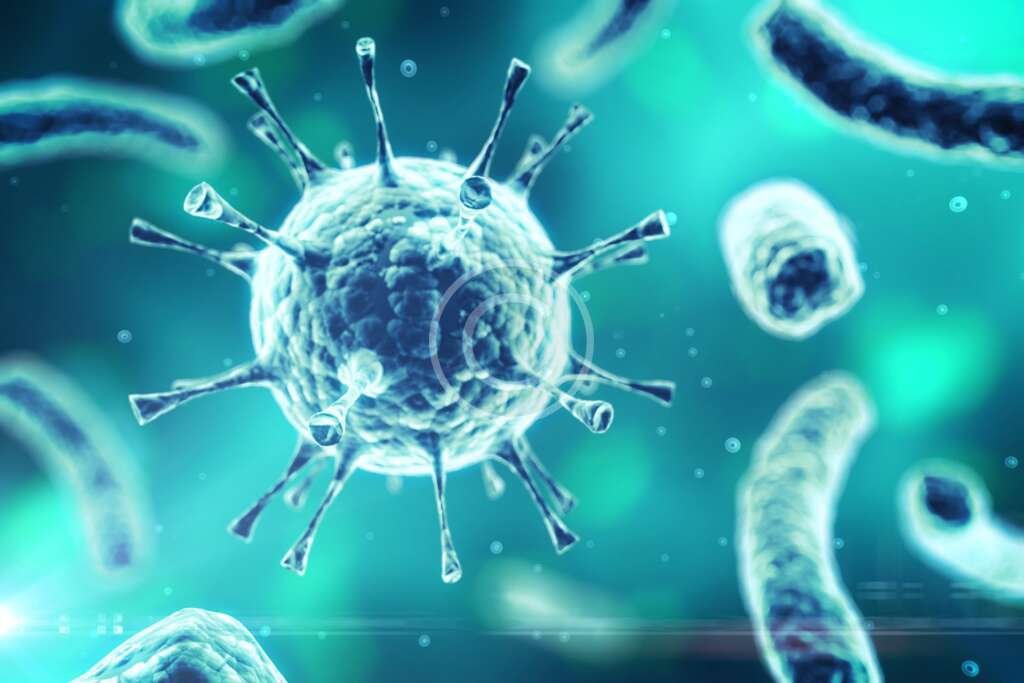
Since the emergence of COVID-19, the virus responsible, SARS-CoV-2, has evolved into multiple variants. These variants have played a significant role in shaping the pandemic, affecting transmission rates, vaccine effectiveness, and disease severity. But what exactly makes these variants different, and why do they matter? Let’s dive into the science behind COVID-19 variants and what they mean for public health.
What Are Variants?
Variants are versions of a virus that have undergone mutations. As viruses replicate, they sometimes make errors in copying their genetic material. These errors, or mutations, can accumulate over time, leading to small changes in the virus’s structure.Key Terms:
- Mutation: A change in the genetic sequence of the virus.
- Variant: A virus with one or more mutations different from the original strain.
- Strain: A variant that behaves differently in terms of spread, severity, or immune response.
Why Do Variants Emerge?
Variants arise due to:- High Transmission Rates: The more a virus spreads, the more opportunities it has to mutate.
- Selective Pressure: Immune responses (from vaccines or previous infections) push the virus to adapt for survival.
- Replication Errors: During replication, random changes in the viral RNA can lead to new variants.
How Variants Are Named
The World Health Organization (WHO) assigns labels (e.g., Alpha, Delta, Omicron) to notable variants to avoid stigma and confusion. These labels correspond to variants that show significant differences in:- Transmissibility
- Disease severity
- Immune escape
Key Differences Between Variants
1. Transmissibility
Some variants spread more easily between people. For example:- Alpha Variant: 50% more transmissible than the original strain.
- Delta Variant: Nearly twice as transmissible as Alpha.
2. Disease Severity
Variants can influence how severe the disease becomes:- Delta Variant: Associated with a higher risk of hospitalization.
- Omicron Variant: Causes milder disease in most cases but spreads more rapidly.
3. Immune Evasion
Certain variants can partially evade immunity from vaccines or prior infections:- Beta Variant: Reduced neutralization by antibodies, impacting vaccine effectiveness.
- Omicron Variant: High immune escape, requiring updated booster vaccines.
4. Response to Treatment
Variants can affect the effectiveness of treatments:- Monoclonal antibodies effective against early strains may not work well against newer variants like Omicron.
What Makes a Variant “Variant of Concern”?
The WHO classifies some variants as Variants of Concern (VOC) based on:- Increased transmissibility.
- Greater severity of disease.
- Reduced effectiveness of vaccines, treatments, or diagnostics.
- Increased risk of reinfection.
- Alpha (B.1.1.7)
- Delta (B.1.617.2)
- Omicron (B.1.1.529)
Omicron: A Case Study
Omicron, identified in late 2021, illustrates how mutations can create significant changes:- Mutations in Spike Protein: Over 30 mutations in Omicron’s spike protein allow it to evade immunity and attach more easily to human cells.
- Sublineages: Omicron has multiple sublineages (e.g., BA.1, BA.2, XBB), each with slight differences in behavior.
- Increased reinfections and breakthrough cases.
- Led to updates in vaccine formulations.
Why Variants Matter
1. Public Health Measures
Variants influence decisions on mask mandates, travel restrictions, and quarantine policies.2. Vaccine Development
New variants may require booster shots or updated vaccines, like the bivalent vaccines designed to target Omicron.3. Healthcare System Preparedness
Variants that cause severe disease can strain hospitals, making preparedness crucial.How Variants Are Monitored
Scientists and public health agencies track variants using:- Genomic Surveillance: Sequencing the virus’s genetic material to identify mutations.
- Epidemiological Data: Tracking variant spread and impact on public health.
- Laboratory Studies: Testing variants against vaccines, treatments, and antibodies.
What Can You Do to Stay Safe?
While variants evolve, protective measures remain effective:- Get Vaccinated and Boosted: Stay updated on vaccines, including boosters targeting specific variants.
- Wear Masks: Especially in crowded or poorly ventilated areas.
- Practice Good Hygiene: Regular handwashing and avoiding face-touching.
- Improve Ventilation: Open windows or use air purifiers.
- Test and Isolate: Rapid testing helps identify infections early, preventing spread.